About the Trainer
Hey! My name is Kelsey, and thanks for checking out my site :)My path to becoming a trainer wasn’t straightforward. While I explored veterinary work and grooming earlier on, they didn't give me the connection with dogs I was searching for.
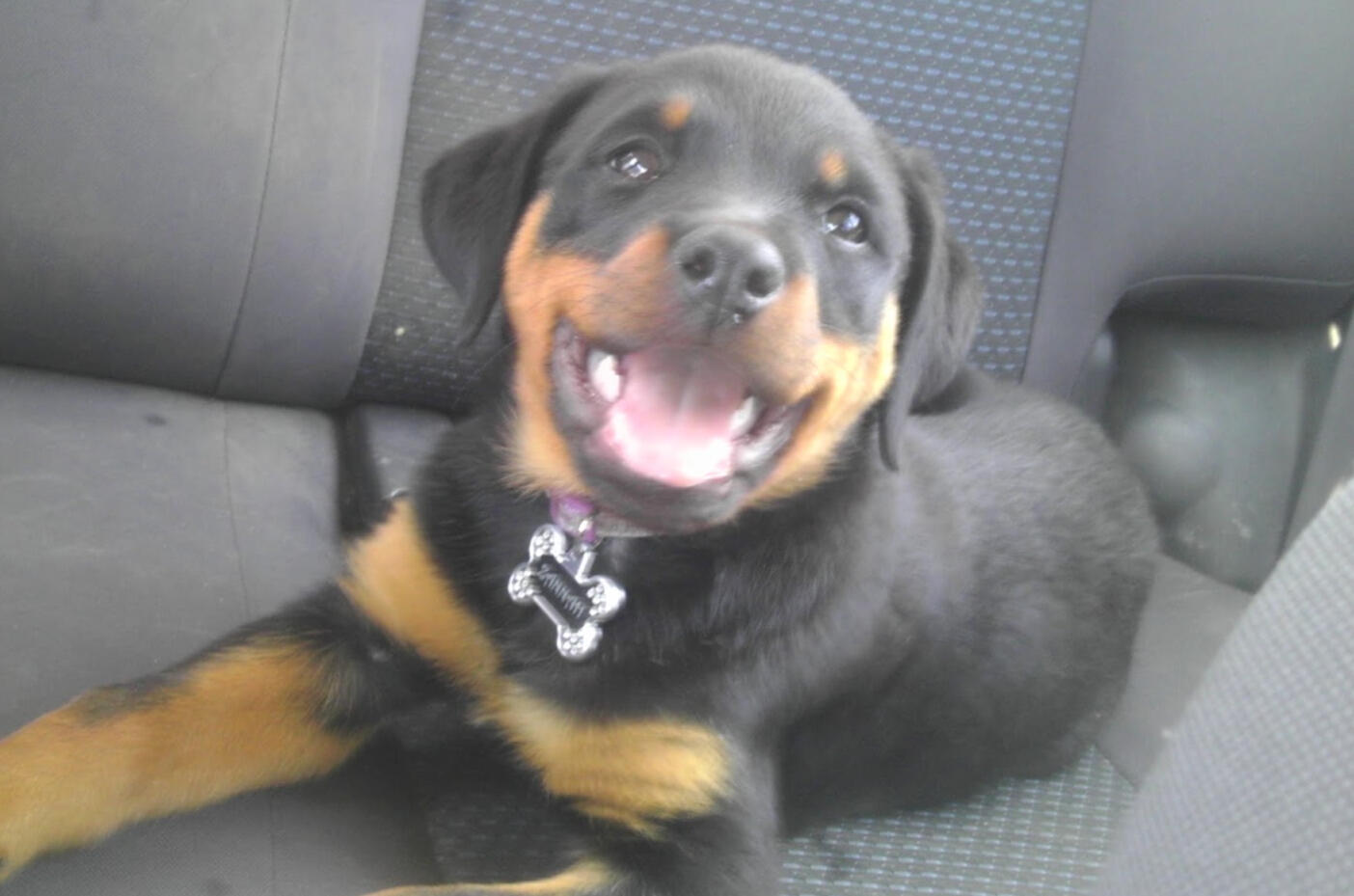
During that time, I was also raising my Rottweiler, Zannah who started as a friendly puppy, but during her first year she developed resource guarding and reactivity. After an incident where she redirected and bit me, an unhelpful trainer was consulted . I left that consult discouraged, with advice that took the joy out of having a dog and didn't feel relevant.
Eventually, it was impossible to take her anywhere. At the sight or sound of a dog, she would be lunging, growling, barking and thrashing while trying to escape her leash. Every walk was miserable and left me feeling like the worst dog owner, so I invested in an education in dog training. I started with Method K9’s Obedience Foundations, moved onto their Intermediate course, followed by Shield K9’s Reactivity Rehab. Some time and effort, and I finally had the dog I could take on adventures.
I wanted other people to experience this feeling with their dogs, so I continued learning. I took Animal Behavior College's dog training course and Larry Krohn’s e-collar course. I continued with other courses, workshops, and seminars from some of the most respected trainers in the industry. Each new perspective shaped the way I train today: relationship-based, and built on clear communication and play.
Testimonials
*learn how to insert photos/videos for testimonials
Training
My Training ApproachAt Crafting Canines, I focus on teaching you how to become an effective handler—someone your dog can clearly understand and trust. Training isn’t just about commands; it’s about communication, timing, and building a relationship through trust.Step 1: Building Relationship Through PlayBefore we ever focus on obedience, we focus on engagement. Play creates trust, motivation, and a genuine working relationship. This is where your dog learns that you’re the most valuable part of their world — and where training starts to feel fun for both of you.Step 2: Teaching Leash PressureLeash pressure is a language. Your dog learns how to respond to gentle guidance on the leash instead of resisting it. This creates calm, confident movement and sets the foundation for all future obedience—on or off leash.Step 3: Introducing Marker WordsClear communication comes from consistent feedback. I teach you how to use marker words—Yes → a release or reward markerGood → calm, sustained praiseNope → a simple, neutral interrupterThese cues give your dog a clear understanding of what’s right, what needs adjustment, and when they’ve earned reward or freedom.Step 4: Layering ObedienceOnce your dog understands the language, we begin applying it in obedience. Depending on your goals, we introduce practical cues such as:Let’s go – structured walking that promotes connectionCome – a reliable recall, even around distractionsHeel – focused, position-based walkingDown – a calm, stationary command for control and impulse workEach of these commands builds toward off-leash reliability.The Goal: Freedom Through CommunicationMy process isn’t about control for control’s sake — it’s about creating a dog who can think, choose correctly, and enjoy freedom safely. By teaching you how to communicate clearly and fairly, your dog gains both structure and confidence — so life together feels effortless.